

Hopetown Inspirations: The History of Disco Elysium as told by Martin Luiga | Part One
“ I would say that Disco Elysium is a fruit of many people fighting aggressively for their own personal freedom... This, I think, is a crucial component in making anything that would bear a spiritual relation to the Disco game.”

The History of Disco Elysium | Part One: The Early Days
The History of Disco Elysium is a special series in which we talk to some of the people who helped create what is now considered one of the greatest cRPGs ever made. In this edition, we ask our narrative lead Martin Luiga — one of the founding members of the ZA/UM cultural movement that brought the world Disco Elysium — our most burning questions about the making of Disco and the early days of ZA/UM.
Here, we ask Martin about the beginnings of the ZA/UM cultural movement, what drew him to his collaborators, and what kind of thinking and cultural influences went into the making of one of the most beloved cRPGs of all time.
Martin's work and creative approach deeply influence the complex, familiar-yet-strange world we're creating in Hopetown. This is a series that explores the origins of Martin's creative influences, how he helped create the brilliant and beloved game Disco Elysium, and, later, how that approach now informs his work on Hopetown.
Before you dive into this developer interview, don’t forget to wishlist Hopetown on Steam to follow development and help us reach more players.

Up to Some Whole Other Business
Q: A big part of how you all got together to make Disco Elysium was your creative work. How did you meet and what drew you to them?
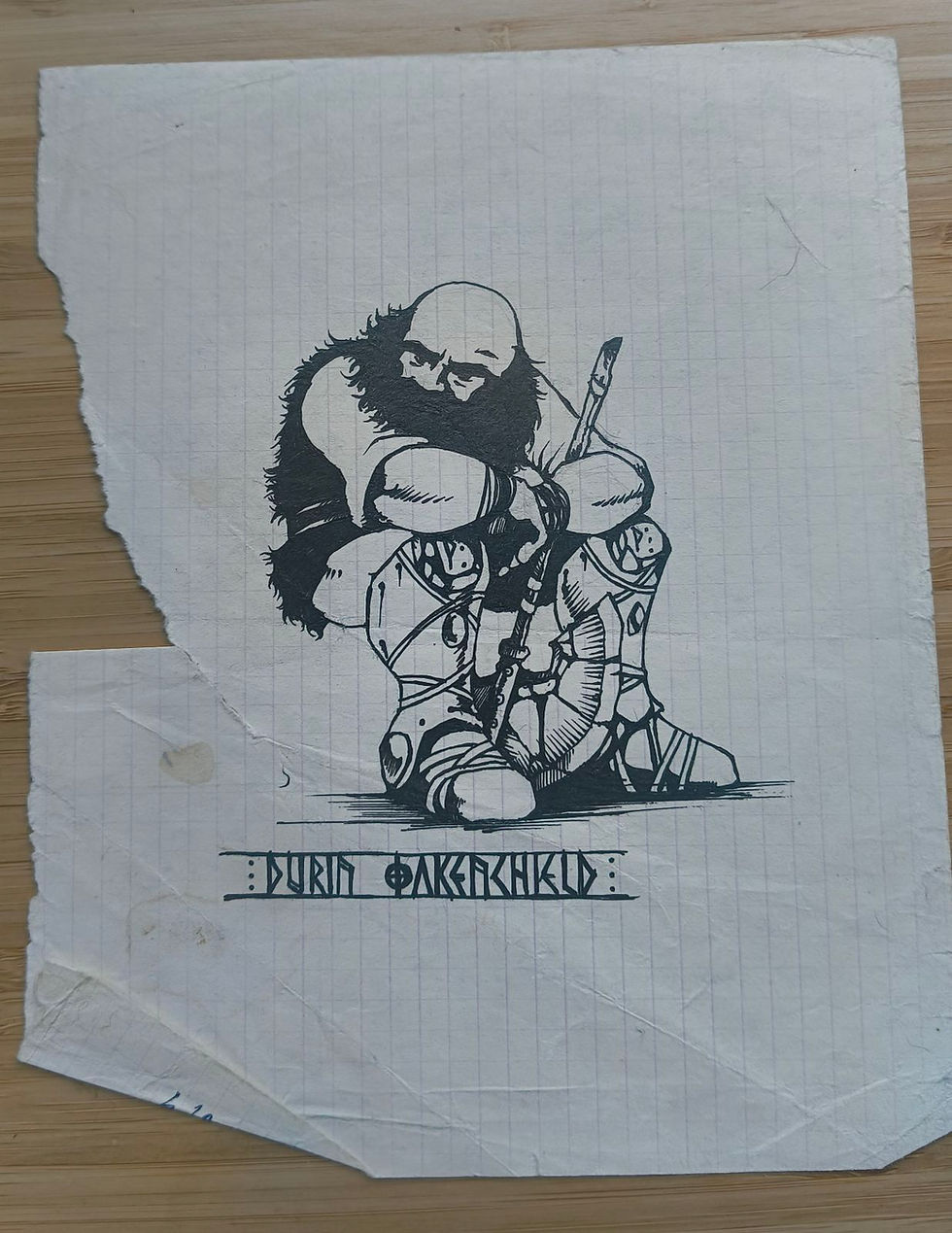
A: I met Jüri Saks and Robert Kurvitz when I was 15 in the 10th grade of the Kopli Art Gymnasium when we grew up together in Estonia. They were newcomers and had already dropped out of a few schools before, making them some years older. Like, I had never seen young people wear jackets and coats like this. It was rather clear they were up to some whole other business than most other folks. I was naturally interested.
Mostly, at that time, I would say that I have never seen people who would find that the school should stuff itself more. I still agree, too. The school should stuff itself.
Jüri did draw super well back then already (he later designed the Kineema and some other vehicles for Disco Elysium) and I believe Robert was already writing poetry, and they were into Dungeons & Dragons (D&D) and similar things to myself... Not super many people write any poetry.
There were the beginnings of an attitude and something of an intellectual milieu. This was back in 2001 though, a good eight years before any ZA/UM business. Some would not really consider it an intellectual milieu, given how little we knew about any given thing, but then I haven’t really seen them read that many books and go to a university. I myself think that if I had been a regular-ass careerist instead of hanging out with ‘losers’, I would be more stupid now, and, most likely, I’d also have less money.
Q: How would you characterise the early days of working on the game?
A: There was a lot of chaos. Robert had so much stuff to do that you could hardly even see him. Stuff was rather hectic. The art folks were sitting behind their desks and doing something there... And then, somehow, about a year in, we had a rather perfect vertical slice, with the ravers, which actually already had most of the more important functionalities of the final game. I did not see how exactly that kind of order rose out of that chaos, but I think the tech guys were integral to narrowing down the scope of the project, including tech people like Veljo who have now joined me on the Hopetown game development project.
The house the studio was in was atmospheric as many already know. Many times I spent the night there. One could even work out in the studio, which was the inspiration for the ‘gym’ section of the Doomed Commercial Area in Disco Elysium.

Q: Tell us about your role in the creation of the Elysium World?
A: I was a “playtester” of the Elysium world, from early playtesting sessions on pen and paper played with Robert. I would say that the characters I have played in that early age will forever remain a part of my own character. The whole Disco Elysium project was essentially an attempt to translate a personal Game Master session into a mass medium — it may be the precisely same thing with other cRPGs and still be worth doing over and over again.
To Do a Little Good in the World
Q: You’ve said previously that you’d like to leave players of Hopetown with exactly that: hope. Disco, for me, likewise left me with a feeling of hope. Can you tell us more about that? What makes you want to leave players with that feeling, whether it was for Disco, or now for Hopetown?
A: Well, this I believe to be a trope of propaganda literature, and as I have said several times, one of the genres that Disco Elysium leans on heavily is “an Alcoholics Anonymous morality tale,” which in itself of course already predates the AA itself. It is natural for the writer to want to conjure up a variety of feelings – from an utilitarian or “business” point of view, we are not really in the ‘business’ of selling just words but the feelings which those words convey.
It is a motivation to try to do a little good in the world while making games. There are a number of people that claim that Disco has “helped them” somehow, so it should be possible and a goal to achieve with Hopetown. Of course, games and other media have helped people before. I think this is one of the main drivers behind being a creator of any kind – wanting to give back a similar experience one has received oneself.
Closing Note
Q: What was a key ingredient in the formation of the ZA/UM movement?
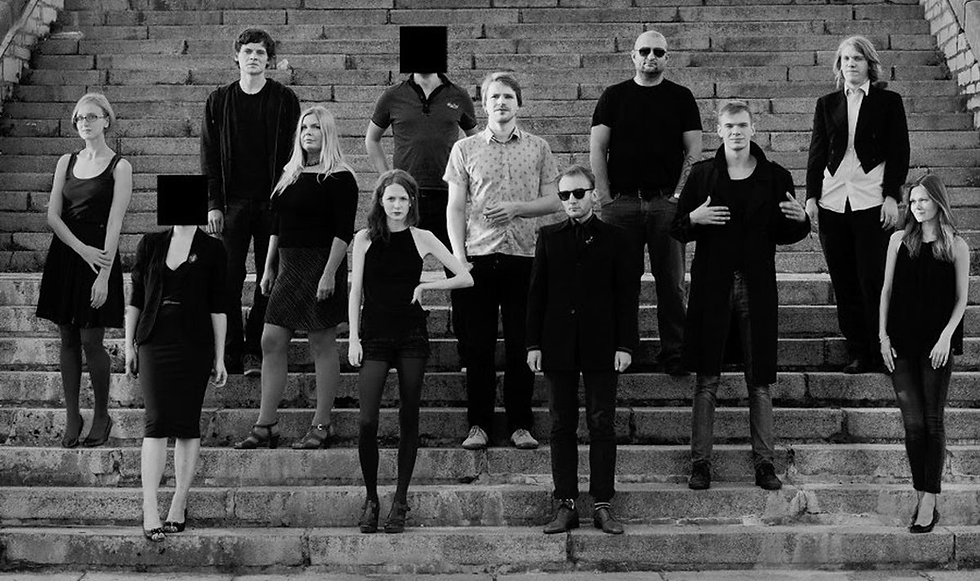
A: I would say that the ZA/UM movement was a result of considerable societal freedom that does not exist anymore. I think it is somewhat similar to freedom as it existed for youths in the 80s Soviet Union. In short, it is an existence in which you don’t have much of anything, but you don’t have to “do” much of anything either, as opposed to a Western lifestyle in which you are much more psychologically attached to the cycles of capital from early on.
This “freedom” can also be attributed to the shift in state ideology, which in practice meant that for a time the powers that be were somewhat oblivious regarding what the “party line”’ should be — meaning, really, no central authority and no central societal conflict.
I would say that Disco Elysium is a fruit of many people fighting aggressively for their own personal freedom, in a rather Stirnerian way. For Robert, it was a more conscious process; for myself, a more unconscious one. But still, it is carving out a new, non-prescribed path. This, I think, is a crucial component in making anything that would bear a spiritual relation to the Disco game, and I think we have tapped into something similar for Hopetown by looking at the parallels in a post-Apartheid South Africa, which had some similar elements of “freedom” that came about through a massive shift in state ideology many miles away from Estonia, but as a result also of the end of the Cold War.
The Next Lead
Our next On the Record will spotlight another corner of development — exploring how story, art, and systems continue to weave together as Hopetown grows. Keep an eye on our dev blog and socials for the next instalment.
Join the Conversation
We’re building more than just a game — we’re building a community. What have you always wanted to know about the making of Disco Elysium? Any burning questions for Martin that you’d like to see answered in the next post? Let us know in the comments, or on our Discord.
Until next time,
— The Hopetown Team


